Heritage Talk | Tuesday, April 28
Situated at the foot of the Hill of Tara in the historic Boyne Valley, Lismullin Conference Centre is in an area with a very rich and varied heritage. In this series of Heritage Lectures, we will explore various aspects of our local heritage so that visitors to the Lismullin Conference Centre and our neighbours will have a greater knowledge and appreciation of the history and attractions of their surroundings.
Book Now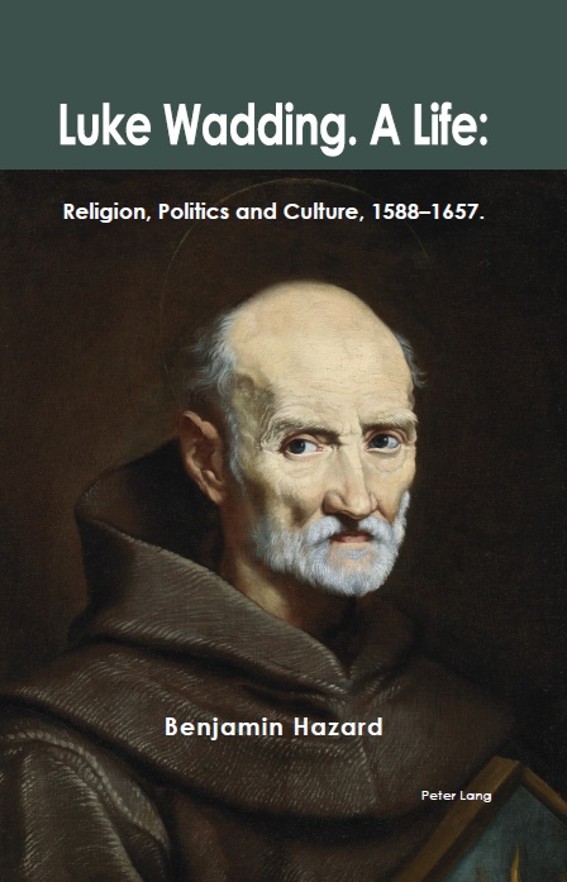
Through Luke Wadding's efforts, St Patrick's Day became a feast day, but it would take many years for it to develop. Wadding also founded the Pontifical Irish College in Rome. Based in Rome for four decades, he became the most consequential Irish exile of the seventeenth century. As a Franciscan chronicler, he collaborated with Donatus Mooney, once guardian of Multyfarnham friary, to document the history of their order’s foundations in Leinster. Later, Wadding sought the help of John Tyrell, a Westmeath theologian, to bring the Opera omnia of Duns Scotus to print in 1639.
Given the proximity of Leinster to his home city of Waterford, Wadding counted many contacts from the neighbouring province among his friends. At the same time, the barony of Delvin and the diocese of Meath were home to some of Wadding’s adversaries. Therefore, despite shared experiences, the opposing perspectives of Wadding and his contemporaries emphasise that early modern Irish Catholic exile was not monolithic. This talk deals with his work within the Franciscan order and also the Roman curia, where he kept abreast of events in Ireland from the mid-1620s until his death in 1657.
To reserve a place, book and pay now.
For more information contact Lismullin Office Dublin
T: (01) 6760731
E: lismullinoffice@gmail.com

Dr. Benjamin Hazard, Adjunct Research Fellow at UCD School of History, is an editor and researcher with the Irish Manuscripts Commission. He is the author of the monograph, Luke Wadding. A Life: Religion, Politics and Culture, 1588- 1657 (Oxford, 2025).
To contact someone during activities


